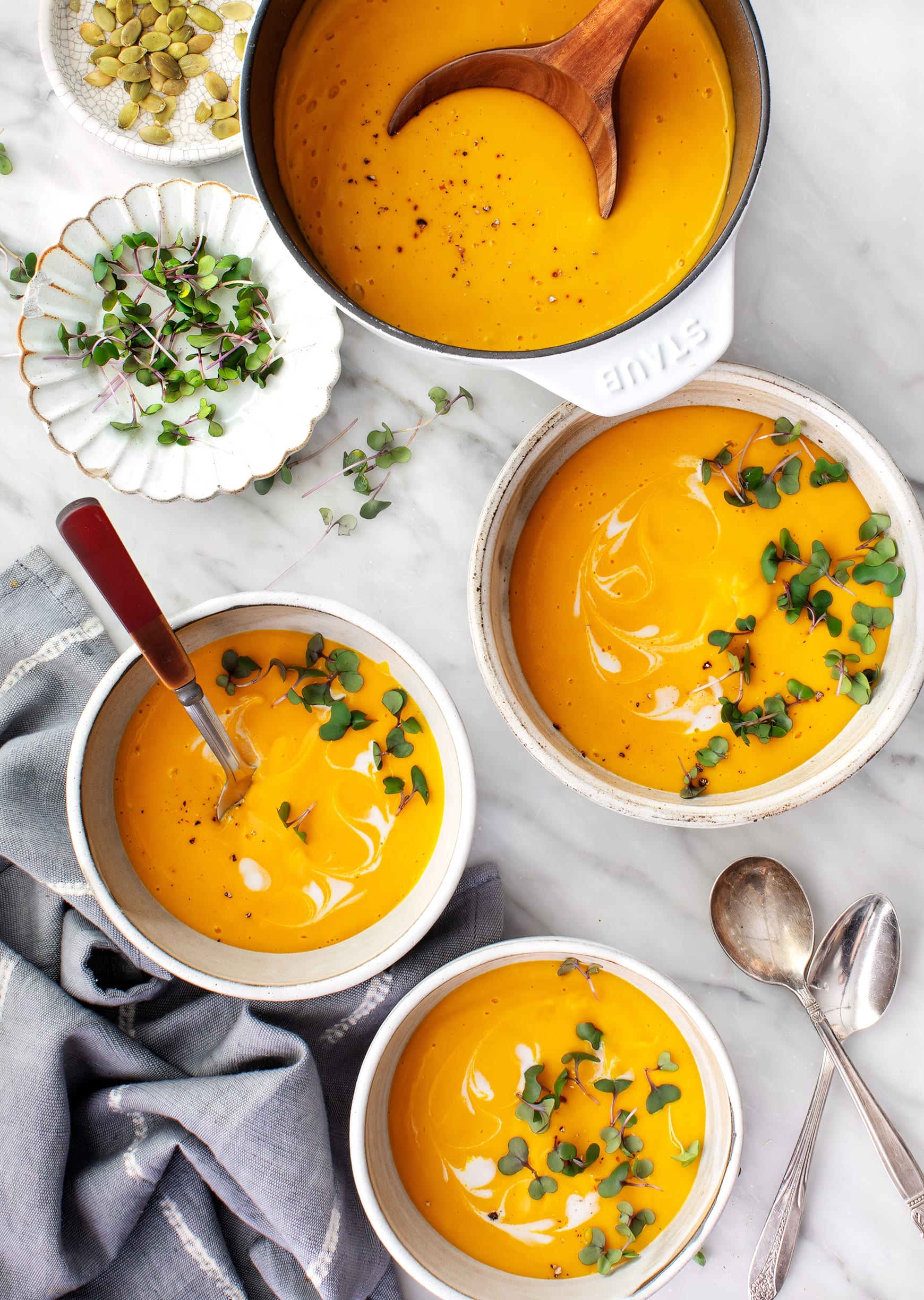
Mastering Creamy Pumpkin Soup: Tender Pumpkin for Silky Texture
As the leaves turn and a crispness fills the air, there’s little that offers comfort quite like a bowl of thick creamy pumpkin soup. It’s a culinary hug, a warm blanket for the soul, and a dish that perfectly captures the essence of autumn. But not all pumpkin soups are created equal. We’re talking about a soup that delivers on the promise of true creaminess without being heavy, a texture so silky it glides over the tongue, and a flavor profile that is both rich and perfectly balanced. This isn't just a recipe; it's an exploration into the techniques and ingredients that transform simple pumpkin into an unapologetically comforting masterpiece.
The secret to achieving this sublime texture and deep flavor lies not in an abundance of heavy cream, but in understanding how each ingredient contributes to the final symphony. From the initial sauté of aromatics to the critical step of cooking your pumpkin until genuinely tender, every stage plays a vital role. Get ready to create a thick creamy pumpkin soup that will become your go-to comfort food for years to come.
The Foundation of Flavor and Texture: Why Tender Pumpkin Matters
At the heart of any truly exceptional creamy pumpkin soup is, unsurprisingly, the pumpkin itself. While this might seem obvious, the way you treat your pumpkin is the single most important factor in achieving that coveted silky, smooth texture. Many recipes overlook a crucial detail: cooking the pumpkin until it is *genuinely* tender. This isn't just about making it soft enough to mash; it's about breaking down the pumpkin fibers completely, allowing it to blend into a seamless, velvety purée.
When pumpkin isn't cooked sufficiently, those stubborn fibers remain intact, leading to a soup that can feel grainy or slightly gritty, no matter how much you blend it. Think of it like cooking potatoes for mashed potatoes – undercooked potatoes result in lumpy mash. The same principle applies here. Whether you're roasting your pumpkin (which adds a wonderful depth of caramelized flavor) or simmering it in stock, ensure it's fork-tender to the point of almost falling apart. This thorough cooking process naturally creates a thick, smooth base for your soup, reducing the reliance on excessive cream or thickening agents.
Choosing the right pumpkin also makes a difference. Smaller, sweeter varieties like Sugar Pie pumpkins, Cinderella pumpkins, or even winter squashes like butternut, kabocha, or Hokkaido are ideal due to their denser, less watery flesh and superior flavor. Avoid the larger carving pumpkins, as they tend to be stringy and less flavorful. By focusing on genuinely tender, high-quality pumpkin, you lay the groundwork for a naturally thick creamy pumpkin soup that boasts incredible body and a luxuriously smooth finish.
Building Blocks: Essential Ingredients for Unforgettable Flavor
While tender pumpkin forms the body, it’s the supporting cast of humble ingredients that builds the complex, savory depth this soup deserves. Each component plays a specific, vital role in creating a balanced and utterly delicious experience:
- Pumpkin: The Star, Unadorned. Once cooked until genuinely soft, pumpkin effortlessly blends into a naturally rich and smooth base. It provides body and a delicate sweetness without needing much fuss, making it the perfect canvas for other flavors.
- Onion and Garlic: The Unsung Heroes. These aromatics are where the magic begins. Gently sautéing them at the start of your cooking process unlocks their natural sugars, building a foundational layer of sweetness and savory depth. This crucial step prevents the soup from tasting flat or one-note, giving it a complexity that lingers. Don't rush this step; allow them to soften and become translucent, not browned.
- Stock: The Flavor Carrier. The quality of your stock directly impacts the flavor of your soup. A good quality vegetable or chicken stock provides the primary savory backbone. If your stock tastes good enough to drink on its own, your pumpkin soup will be all the better for it. Opt for low-sodium varieties so you can control the seasoning yourself.
- Cream (or Alternatives): The Velvety Finish. You only need a touch to achieve that sought-after velvety finish. Heavy cream adds a luscious mouthfeel and rounds out the flavors without making the soup overly heavy. For a dairy-free or vegan option, full-fat coconut milk is an excellent substitute, imparting a beautiful richness and subtle exotic note. Another fantastic dairy-free trick for extra creaminess without fat is adding a handful of soaked cashews to the soup before blending.
These simple ingredients, when properly prepared, come together to create a harmonious blend that is rich, comforting, and deeply satisfying.
Elevating Your Soup: Optional Add-ins and Flavor Enhancers
Once you’ve mastered the core recipe, a world of possibilities opens up through strategic additions. These extras aren't strictly necessary, but they can transform your thick creamy pumpkin soup, taking it from delicious to extraordinary:
- Warming Spices: A small pinch of freshly grated nutmeg or a dash of cinnamon adds a subtle warmth and aromatic depth that complements the pumpkin beautifully without overpowering it. Consider a tiny bit of ground ginger or even a hint of curry powder for an earthier, more exotic profile. Add these early when sautéing aromatics to "bloom" their flavors.
- A Touch of Heat: For those who appreciate a gentle kick, a light sprinkle of chili flakes or a tiny pinch of cayenne pepper can balance the natural sweetness of the pumpkin and awaken the palate.
- Umami Boosters: For an extra layer of savory richness, consider stirring in a knob of butter or a spoonful of grated Parmesan cheese at the very end. For vegan versions, a teaspoon of nutritional yeast can mimic that cheesy, umami depth, or even a dash of tamari (gluten-free soy sauce) can deepen the savory notes. If you happen to have a Parmesan rind, toss it into the soup while simmering and remove before blending – it imparts incredible flavor.
- Herbaceous Freshness: While best used as a garnish, fresh herbs like sage, thyme, or even a hint of rosemary can brighten the soup’s profile. A sprig simmered with the pumpkin or finely chopped and sprinkled before serving adds a fresh counterpoint to the richness.
- Coconut Milk for Dairy-Free Luxury: As mentioned, for a dairy-free yet still incredibly rich and comforting soup, full-fat coconut milk is an unparalleled choice. It lends a subtle sweetness and a wonderfully smooth consistency.
Experiment with these additions to tailor the soup to your personal preference, crafting a unique and memorable experience every time.
Crafting Your Perfect Consistency: Tips for a Thick Creamy Pumpkin Soup
Achieving that ideal thick creamy pumpkin soup texture is a blend of proper cooking and smart blending techniques. Here’s how to ensure your soup is perfectly smooth and exactly the right consistency:
Blending for Silkiness:
- Cook Thoroughly: As emphasized, the pumpkin *must* be genuinely tender. This is your first and most important step towards a silky texture.
- Immersion Blender vs. Stand Blender: An immersion blender is convenient for blending directly in the pot. For the smoothest possible texture, however, a high-speed stand blender is often superior. If using a stand blender, work in batches and be extremely cautious when blending hot liquids. Never fill the blender past the halfway mark, and start on a low speed with the lid slightly ajar (covered with a kitchen towel) to allow steam to escape and prevent pressure buildup.
- Strain (Optional but Recommended): For an ultra-luxurious, restaurant-quality soup, consider passing the blended soup through a fine-mesh sieve or chinois. This removes any tiny fibrous bits that might have escaped the blender, guaranteeing an unbelievably smooth result.
Adjusting Consistency:
- Too Thick? If your soup is too dense after blending, simply whisk in a little more warm stock (or water) until it reaches your desired consistency. Add gradually, tasting as you go.
- Too Thin? If your soup ends up thinner than you'd like, return it to the pot and simmer gently over low heat, stirring occasionally, to allow some of the liquid to evaporate. This process concentrates the flavors and thickens the soup naturally. Alternatively, for a quick fix, you can dissolve a teaspoon of cornstarch in a tablespoon of cold water, then stir this slurry into the simmering soup until thickened.
- Boost Natural Creaminess: Beyond just pumpkin, incorporating a small, peeled, and diced potato or carrot to cook alongside the pumpkin can add natural body and sweetness, contributing to a thick creamy pumpkin soup without extra fats. Some recipes even use pureed white beans for an invisible, creamy protein boost.
Once perfected, your soup can be stored in an airtight container in the refrigerator for up to 3-4 days. It also freezes beautifully for up to 3 months, making it perfect for meal prepping. When reheating, gently warm on the stovetop, adding a splash of stock or water if needed to restore its perfect consistency.
Conclusion
Crafting a truly exceptional thick creamy pumpkin soup is an art that prioritizes thoughtful preparation and quality ingredients. By focusing on cooking your pumpkin until genuinely tender, building a robust flavor base with aromatics and good stock, and judiciously using cream or its alternatives, you can achieve a bowl of unparalleled comfort. This soup isn't just food; it's an experience – rich, smooth, and deeply satisfying. So, embrace the warmth of the season, gather your ingredients, and create a masterful creamy pumpkin soup that will nourish both body and soul.
